
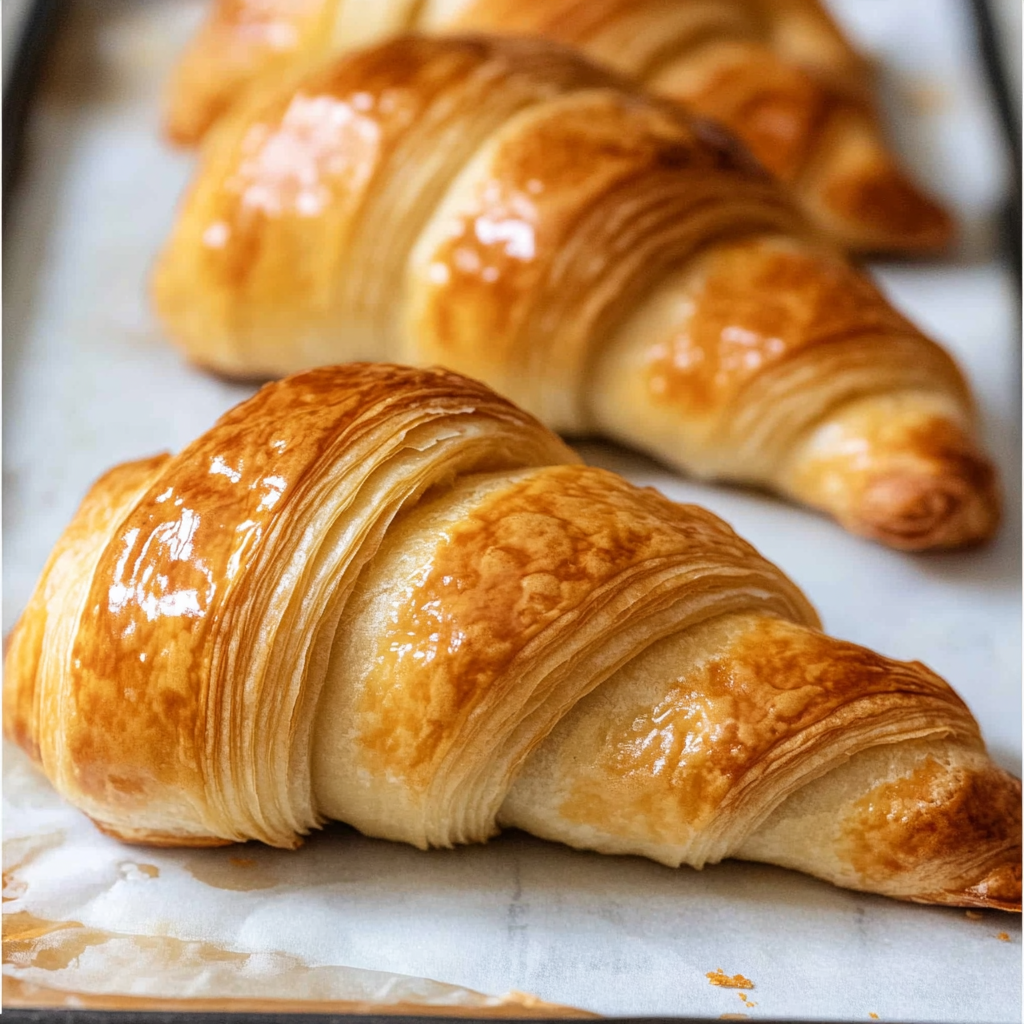
Croissants are a delightful treat that can elevate any occasion, from breakfast to brunch or even dessert. With this Homemade Croissants Step-by-Step recipe, you’ll learn the art of creating flaky, buttery layers that melt in your mouth. Perfect for impressing guests or indulging yourself, these croissants offer a unique baking experience that results in an irresistible pastry.
Why You’ll Love This Recipe
- Easy-to-Follow Instructions: The step-by-step guide ensures you won’t feel lost while making these delicious croissants.
- Perfect for Any Occasion: Whether it’s a cozy weekend morning or a special gathering, these croissants fit right in.
- Flaky and Buttery Layers: Experience the joy of biting into a perfectly baked croissant that offers both texture and flavor.
- Customizable Fillings: Feel free to experiment with sweet or savory fillings to personalize your croissant experience.
- Impressive Outcome: Your friends and family will be amazed when they see (and taste) your homemade croissants.
Tools and Preparation
Before diving into the recipe, gather the necessary tools to make your croissant-making experience seamless. Having the right equipment on hand will help you create those perfect layers with ease.
Essential Tools and Equipment
- Mixing bowl
- Rolling pin
- Plastic wrap
- Baking sheet
- Parchment paper
- Pastry brush
Importance of Each Tool
- Mixing bowl: A sturdy bowl is essential for combining ingredients evenly, leading to a smoother dough.
- Rolling pin: This tool will help you roll out the dough to achieve the thin layers needed for lamination.
- Baking sheet: A good-quality baking sheet ensures even heat distribution during baking, resulting in perfectly golden-brown croissants.

Ingredients
To make these delightful croissants, gather the following ingredients:
For the Dough:
- 2 1/4 teaspoons instant yeast (or active dry yeast)
- 160 g whole milk (lukewarm)
- 120 g water
- 470 g all-purpose flour (plus extra for dusting)
- 50 g granulated sugar
- 1 1/2 teaspoons salt
- 30 g unsalted butter (room temperature)
For Laminating:
- 250 g unsalted butter (room temperature)
- 1 1/2 tbsp all-purpose flour
For Egg Wash:
- 1 large egg
How to Make Homemade Croissants Step-by-Step
Step 1: Prepare the Yeast Mixture
- In a large bowl add the lukewarm milk, water, yeast, and sugar. If using active dry yeast, allow it to rest for 5-10 minutes until frothy. Skip this step if using instant yeast.
Step 2: Make the Dough
- Add the flour and salt to the yeast mixture. Stir until a rough dough forms.
- Turn the dough onto a lightly floured surface and begin kneading for about 3 minutes until it becomes smoother and less sticky.
Step 3: Incorporate Butter
- Once the gluten has begun to develop, add the 30g of room temperature butter to the dough.
- Continue kneading until the butter is fully incorporated into the dough.
Step 4: Chill the Dough
- Roll the dough into a rough rectangle shape.
- Wrap it in plastic wrap and refrigerate for at least 2 hours or overnight.
With these steps completed, you’re well on your way to enjoying freshly baked homemade croissants! Stay tuned for further instructions as you continue this delicious journey.
How to Serve Homemade Croissants Step-by-Step
Homemade croissants are delightful on their own, but they can be paired with various accompaniments to elevate your breakfast or brunch experience. Here are some serving suggestions to enjoy your freshly baked croissants.
With Sweet Spreads
- Butter and Jam: Spread a layer of softened butter and your favorite fruit jam for a classic treat.
- Nutella: The rich chocolate-hazelnut spread adds a decadent touch to your croissant.
- Honey: Drizzle honey over a warm croissant for a natural sweetness that complements the buttery flavor.
With Savory Additions
- Cheese: Pair with slices of cheese like brie or cream cheese for a savory twist.
- Avocado: Top a croissant with smashed avocado and a sprinkle of salt for a modern twist.
- Smoked Turkey or Chicken: Add thin slices of smoked turkey or chicken for a satisfying protein boost.
As Part of a Breakfast Platter
- Fruits: Serve alongside fresh fruits like berries, bananas, or citrus slices for added freshness.
- Yogurt Parfait: Combine with yogurt and granola in a parfait for a balanced meal.
How to Perfect Homemade Croissants Step-by-Step
Making perfect homemade croissants requires attention to detail and technique. Follow these tips to enhance your baking skills.
- Use Cold Butter: Start with cold butter for lamination; it helps create those flaky layers.
- Knead Properly: Ensure you knead the dough until it is smooth and elastic; this develops the gluten structure needed for rise.
- Rest the Dough: Allow adequate resting time between folds; this relaxes the gluten and makes rolling easier.
- Monitor Dough Temperature: Keep an eye on the dough temperature; too warm can lead to over-proofing.
- Bake at High Temperature: Start baking at a high temperature (around 425°F) to achieve maximum puffiness.
Best Side Dishes for Homemade Croissants Step-by-Step
Pairing side dishes with your homemade croissants can create a well-rounded meal. Here are some excellent options that complement their buttery goodness.
- Fresh Fruit Salad: A colorful mix of seasonal fruits adds brightness and freshness alongside croissants.
- Greek Yogurt: Creamy Greek yogurt offers protein and pairs well with sweet toppings like honey or granola.
- Scrambled Eggs: Fluffy scrambled eggs provide richness that balances perfectly with crispy croissants.
- Hash Browns: Crispy hash browns add texture and heartiness, making your meal more filling.
- Vegetable Quiche: A slice of quiche brings in vegetables and flavors that contrast nicely with flaky pastry.
- Smoothie Bowl: A smoothie bowl topped with nuts and seeds provides a nutritious option that’s visually appealing.
Common Mistakes to Avoid
Making homemade croissants can be tricky, but avoiding common mistakes will help you achieve flaky perfection.
- Using cold ingredients: Cold butter and milk can hinder the lamination process. Always use room temperature ingredients for better results.
- Overworking the dough: Kneading too long can develop too much gluten, leading to tough croissants. Stop when the dough is smooth but slightly sticky.
- Incorrect folding technique: Not folding the dough properly can result in uneven layers. Make sure to follow the lamination steps carefully for even flakiness.
- Skipping refrigeration time: Chilling the dough is crucial for proper layering. Don’t rush this step; refrigerate for at least 2 hours or overnight.
- Not preheating the oven: Baking in an improperly heated oven can affect texture and rise. Always preheat your oven to ensure optimal baking conditions.
Storage & Reheating Instructions
Refrigerator Storage
- Store croissants in an airtight container to maintain freshness.
- They will last up to 3 days in the refrigerator.
Freezing Homemade Croissants Step-by-Step
- Wrap each croissant tightly in plastic wrap or aluminum foil.
- Place them in a freezer-safe bag or container; they can be frozen for up to 2 months.
Reheating Homemade Croissants Step-by-Step
- Oven: Preheat your oven to 350°F (175°C) and place croissants on a baking sheet. Heat for about 10 minutes until warm and crispy.
- Microwave: Heat individual croissants on a microwave-safe plate for about 15-20 seconds. Be cautious as they may become soggy.
- Stovetop: Use a skillet over low heat, cover with a lid, and warm for a few minutes until heated through.
Frequently Asked Questions
Here are answers to some common queries about making homemade croissants.
How long does it take to make Homemade Croissants Step-by-Step?
The entire process takes about 12 hours due to resting and chilling times, but the active prep time is around 30 minutes.
Can I use whole wheat flour instead of all-purpose flour?
Yes, you can use whole wheat flour, but it may alter the texture slightly. Mixing it with all-purpose flour yields better results.
What should I do if my croissant dough isn’t rising?
Ensure your yeast is fresh and that your ingredients are at the right temperature. A warm environment helps with rising.
Can I make Homemade Croissants Step-by-Step ahead of time?
Absolutely! You can prepare the dough a day in advance and refrigerate it overnight before rolling and shaping.
What fillings can I add to my croissants?
You can add chocolate chips, almond paste, or even savory fillings like cheese or spinach before rolling them up.
Final Thoughts
Homemade croissants offer a delightful culinary experience that’s both rewarding and customizable. Whether enjoyed plain or filled with delicious ingredients, these flaky pastries are perfect for any occasion. Don’t hesitate to experiment with different flavors or fillings to make them your own!

Homemade Croissants Step-by-Step
- Total Time: 0 hours
- Yield: Makes approximately 12 croissants 1x
Description
Homemade croissants are the epitome of baking bliss, transforming your kitchen into a French patisserie with their flaky, buttery layers. This step-by-step recipe guides you through the art of crafting these delightful pastries, perfect for any breakfast or brunch occasion. Imagine the warm aroma of freshly baked croissants wafting through your home as you indulge in this culinary adventure. With easy-to-follow instructions and customizable fillings, you’ll impress family and friends alike while satisfying your cravings for a delicious homemade treat.
Ingredients
- 2 1/4 teaspoons instant yeast
- 160 g whole milk (lukewarm)
- 120 g water
- 470 g all-purpose flour (plus extra for dusting)
- 50 g granulated sugar
- 1 1/2 teaspoons salt
- 30 g unsalted butter (room temperature)
- 250 g unsalted butter (for laminating)
- 1 large egg (for egg wash)
Instructions
- Prepare the yeast mixture by combining lukewarm milk, water, yeast, and sugar in a mixing bowl. If using active dry yeast, let it rest until frothy.
- Add flour and salt to the yeast mixture; mix until a rough dough forms. Knead for about 3 minutes on a floured surface until smooth.
- Incorporate room temperature butter into the dough by kneading until fully combined.
- Shape the dough into a rectangle, wrap in plastic wrap, and refrigerate for at least 2 hours or overnight.
- Prep Time: 30 minutes
- Cook Time: Approx. 20 minutes
- Category: Pastry
- Method: Baking
- Cuisine: French
Nutrition
- Serving Size: 1 serving
- Calories: 200
- Sugar: 3g
- Sodium: 210mg
- Fat: 11g
- Saturated Fat: 7g
- Unsaturated Fat: 4g
- Trans Fat: 0g
- Carbohydrates: 22g
- Fiber: <1g
- Protein: 4g
- Cholesterol: 30mg


